
"1980s coffee exports"
100 article(s) found

Introduction to the flavor and taste of Salvadoran coffee beans
The lubricated Salvadoran coffee has an excellent taste and is as smooth as cream chocolate.

Introduction to the method of Variety treatment in the producing area of Columbia narino Coffee Bean Flavor
Description of flavor characteristics of Colombian narino coffee beans the two main varieties of Colombian coffee are Kaddura and Colombian varieties. Kaddura currently accounts for 45-50% of Colombian production; the Colombian species is a new breed developed in Colombia in the 1980s and has the pedigree of Kaddura and Timo. At present, the variety ratio of coffee in Colombia is roughly presented.

Cote d'Ivoire coffee beans African coffee producers
Professional barista exchanges, please pay attention to coffee workshop (Weixin Official Accounts cafe_style) Cote d'Ivoire is one of the largest producers in the world in terms of quantity. Cote d'Ivoire has never produced the best quality coffee, and it rarely comes from Arabica trees. In the early 1980s it was the third largest coffee producer in the world,

El Salvador Coffee Santa Ana Volcano Region Renas Estate Introduction
El Salvador is also part of the former Mayan Empire, where more than 300 Mayan monuments remain accessible, especially those of San Andres. Organic farming: The civil war of the 1980s caused many coffee farmers in war zones to be reluctant to spend agricultural fertilizers on coffee plantations, forming the fact of "organic farming." After the war, they held

El Salvador Coffee producing area Sonsonate Province IzaIco area Santa Ana Volcano area
[organic planting]: the civil war in the 1980s made many coffee farmers in war zones unwilling to spend agricultural fertilizer on coffee plantations, resulting in the fact of "organic planting". After the war, coffee plantations with organic cultivation were set up with the assistance of the government, and many of them obtained the Eco-ok certification of the Rainforest Alliance (Rain forest-Alliance). There is currently 2000 hectares of coffee.

El Salvador Coffee Bean Flavor taste Manor production area introduces El Salvador boutique coffee
The civil war in the 1980s made many coffee farmers in war zones unwilling to spend agricultural fertilizer on coffee plantations, resulting in the fact of "organic planting". After the war, coffee plantations with organic cultivation were set up with the assistance of the government, and many of them obtained the Eco-ok certification of the Rainforest Alliance (Rain forest-Alliance). At present, 2000 hectares of coffee plantations have been organically certified.

Tropical climate, introduction of Santa Ana Volcano region with different elevations of El Salvador coffee-producing countries
The civil war in the 1980s made many coffee farmers in war zones unwilling to spend agricultural fertilizer on coffee plantations, resulting in the fact of "organic planting". After the war, coffee plantations with organic cultivation were set up with the assistance of the government, and many of them obtained the Eco-ok certification of the Rainforest Alliance (Rain forest-Alliance). At present, 2000 hectares of coffee plantations have been organically certified.

Introduction to the characteristics of El Salvador Himalayan coffee flavor varieties with smooth entrance
The civil war in the 1980s made many coffee farmers in war zones unwilling to spend agricultural fertilizer on coffee plantations, resulting in the fact of "organic planting". After the war, coffee plantations with organic cultivation were set up with the assistance of the government, and many of them obtained the Eco-ok certification of the Rainforest Alliance (Rain forest-Alliance). At present, 2000 hectares of coffee plantations have been organically certified.

How about Salvadoran coffee? Salvadoran coffee story? what kind of coffee does El Salvador produce?
Professional coffee knowledge exchange more information about coffee beans Please follow the coffee workshop (Wechat official account cafe_style) like many Central American countries, coffee production in El Salvador began in the early 19th century. By 1850, the national government began to realize the great commercial potential of coffee. In order to encourage production, the government has offered concessions to coffee farmers, such as tax exemption and military service. The 1980s

Introduction to coffee in Nepal | Coffee producing areas you don't know | small coffee producing areas
It is difficult to associate Nepal with coffee, but due to improved planting and processing methods, Nepal has the potential to produce better products in the next few years. Availability can be improved through better coordination between distributors and the supply chain, but Nepalese coffee is still scarce in North America. According to data from NPCA (Nepal Coffee producers Association), Nepal in 2015

Hang ear bag instead of instant coffee boutique coffee convenient bag
Nestle Coffee Nestle invented the world's first instant coffee Nestle Coffee in 1938 and soon became popular all over the world. Today, an average of 4000 cups of Nestl é coffee are enjoyed worldwide, and Nestle Coffee has become the world's leading coffee brand. Nestl é began to sell Nestle coffee products in China in the 1980s and soon became popular with consumers.

How to process Peruvian beans? how to divide the grades of Peruvian beans?
For the exchange of professional baristas, please follow the coffee workshop (official Wechat account cafe_style) altitude: 900-2050m harvest: March-September varieties: Typica,Caturra, Bourbon, Panha Mengnuo, Catua JUNIN Hunin this area produces about 20% of the coffee in Peru, 25% of the coffee, which is produced in the rainforest. The area suffered from guerrillas in the 1980s and 1990s.
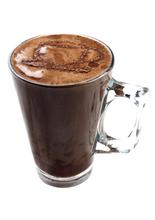
Its delicious and sour Venezuelan coffee beans introduce fine coffee.
The coffee produced in Venezuela is different from other coffee in Latin America. It tastes delicious, sour and has delicious fruit. This kind of coffee is most suitable for medium to deep roasting, which can not only be mixed but also has its own characteristics. Most of the country's coffee is exported to Russia, Colombia and other places, and some small plantations export coffee on their own. Among the many industries, Venezuela's

Delicious, light introduction to Venezuelan coffee from Latin America
Alaganeza, Santa Ana, Tacira. Other premium product names are: Maracaipos, Merida, Trujillo, San Philo Mona and Kukuta. One of the many plantations in Merida at the foot of the Andes belongs to the Pablo and Pugali families, an ancient farm that has been allowed to downsize. Since taking over the farm in the early 1980s

El Salvador coffee producing country with natural shaded woodland
The country has 10 per cent forest cover, of which more than 80 per cent is natural shaded woodland, which is ideal for the planting of coffee trees (shade grown coffee), which is very important for the Central American ecological corridor (Central American Biological Corridor). But in 1970, a serious coffee leaf rust spot (coffee leaf rust disease) occurred in order to

Boutique Venezuelan coffee beans introduce San Cristobal production area
The coffee produced in Venezuela is different from other coffee in Latin America. It tastes delicious, sour and has delicious fruit. This kind of coffee is most suitable for medium to deep roasting, which can not only be mixed but also has its own characteristics. Most of the country's coffee is exported to Russia, Colombia and other places, and some small plantations export coffee on their own. In many industries, Venezuela

Venezuelan coffee flavor producing areas introduce boutique coffee San Cristobal
The coffee produced in Venezuela is different from other coffee in Latin America. It tastes delicious, sour and has delicious fruit. This kind of coffee is most suitable for medium to deep roasting, which can not only be mixed but also has its own characteristics. Most of the country's coffee is exported to Russia, Colombia and other places, and some small plantations export coffee on their own. Among the many industries, Venezuela's

Introduction of Venezuelan coffee with delicious taste and low sour taste
The coffee produced in Venezuela is different from other coffee in Latin America. It tastes delicious, sour and has delicious fruit. This kind of coffee is most suitable for medium to deep roasting, which can not only be mixed but also has its own characteristics. Most of the country's coffee is exported to Russia, Colombia and other places, and some small plantations export coffee on their own. Among the many industries, Venezuela's

Medium to deep roasted Venezuelan coffee beans are the most suitable.
The coffee produced is different from other coffee in Latin America. It tastes delicious, sour and has delicious fruit. This kind of coffee is most suitable for medium to deep roasting, which can not only be mixed but also has its own characteristics. Most of the country's coffee is exported to Russia, Colombia and other places, and some small plantations export coffee on their own. In many industries, Venezuelan coffee species